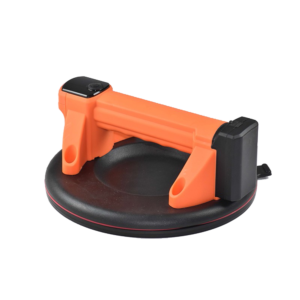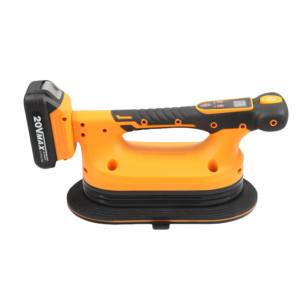
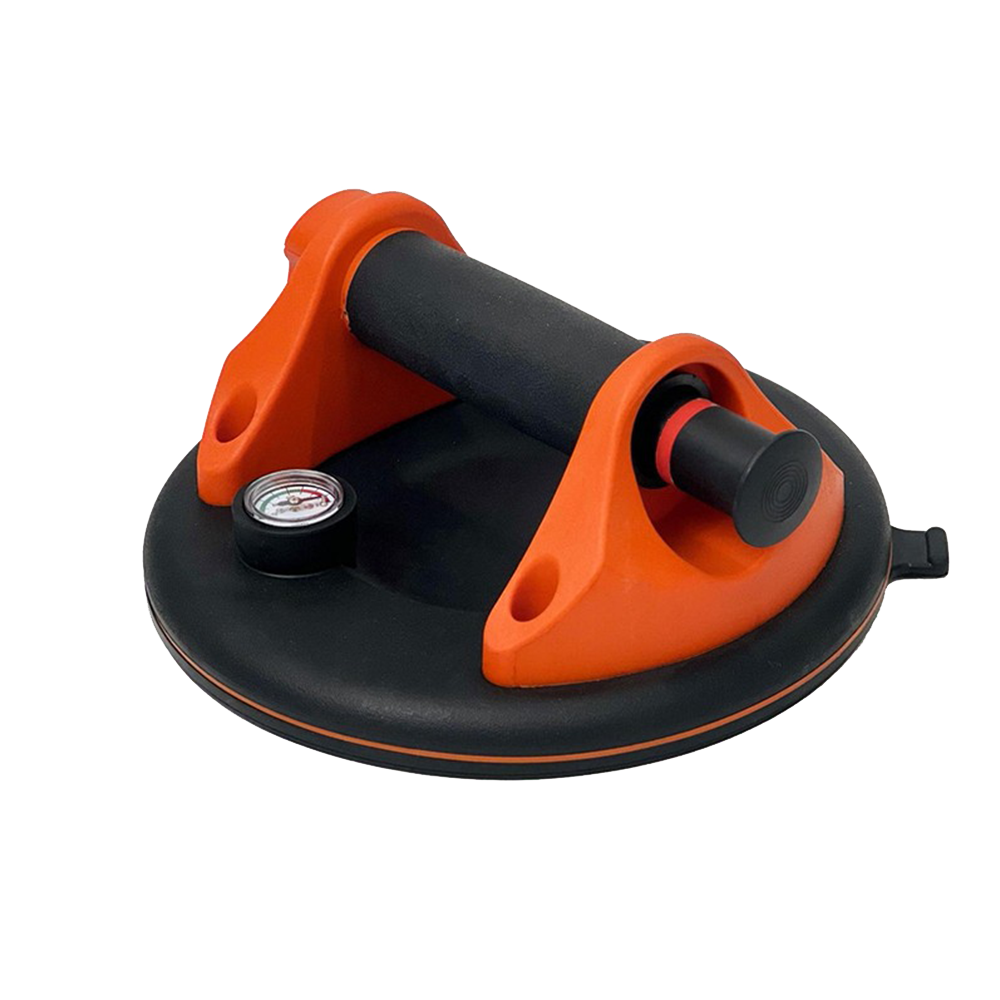
Product Overview


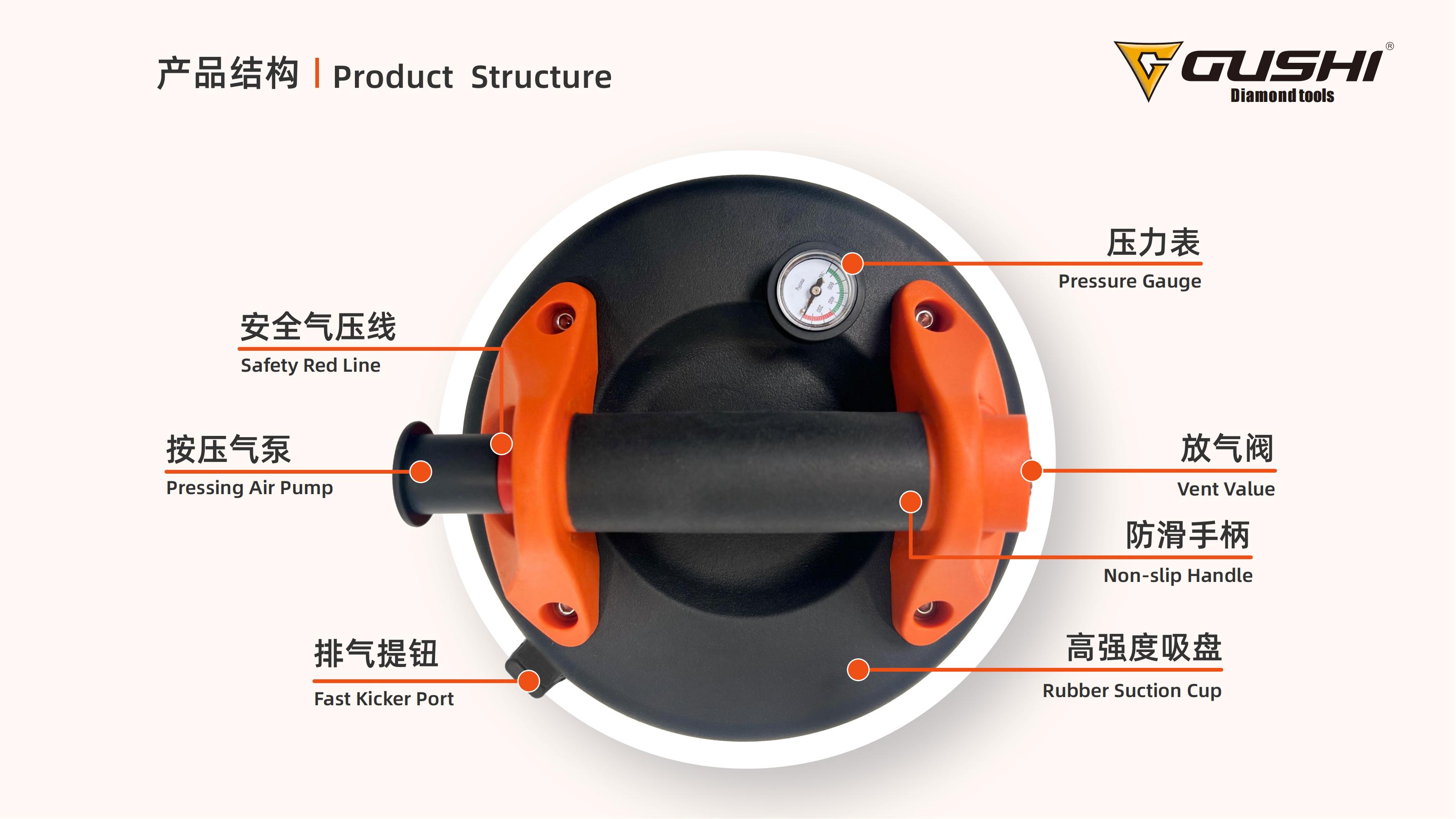


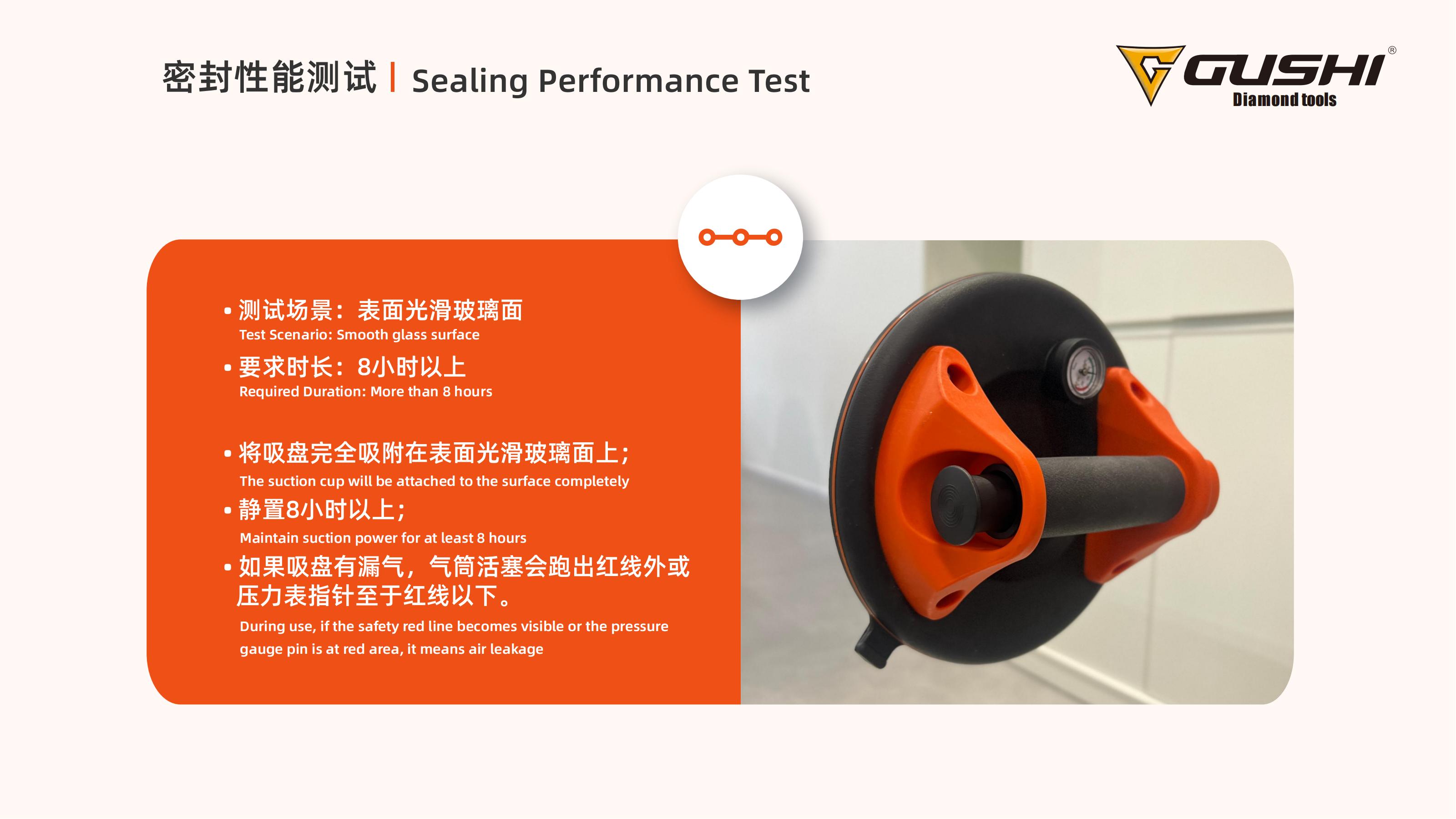

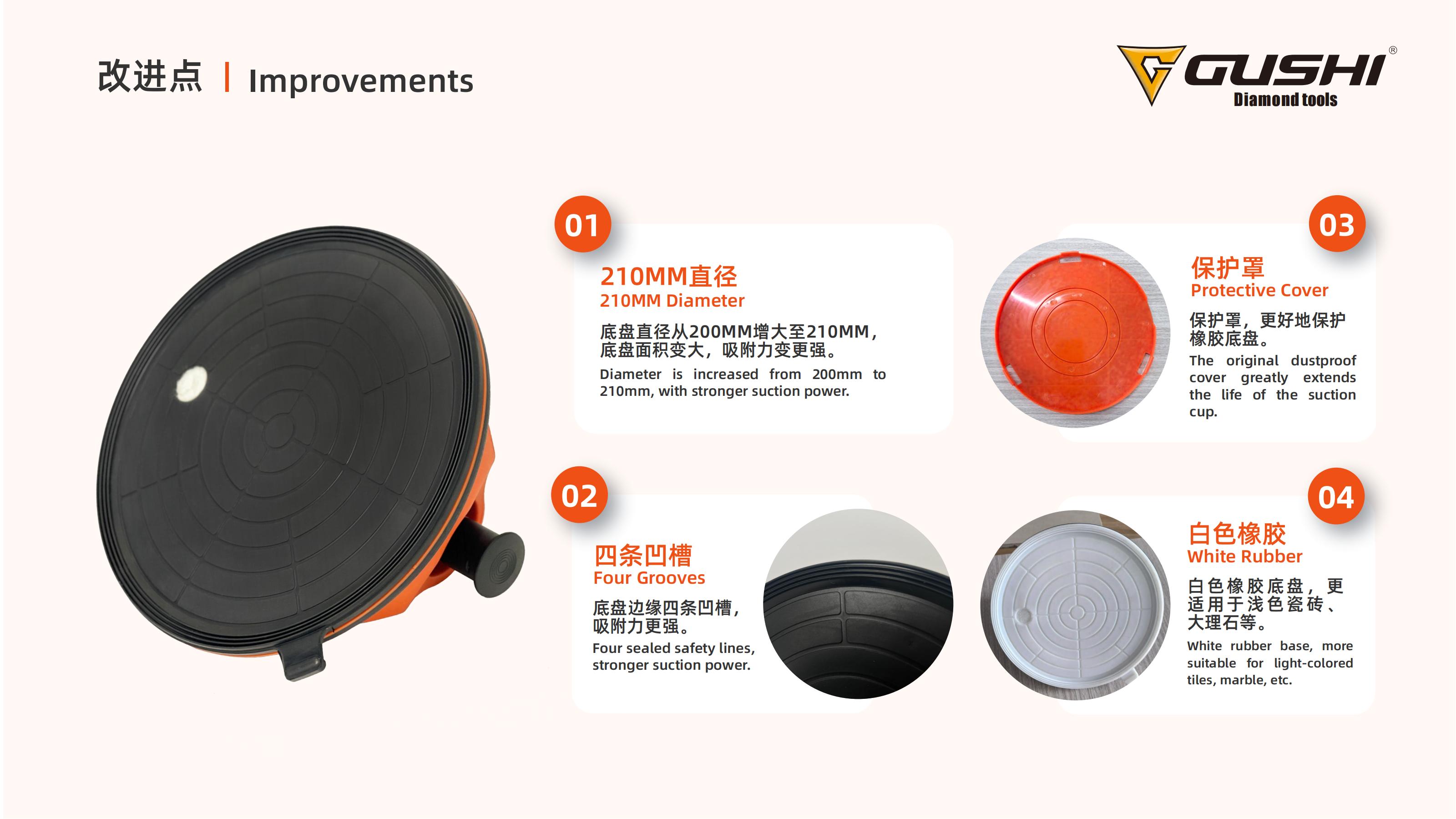
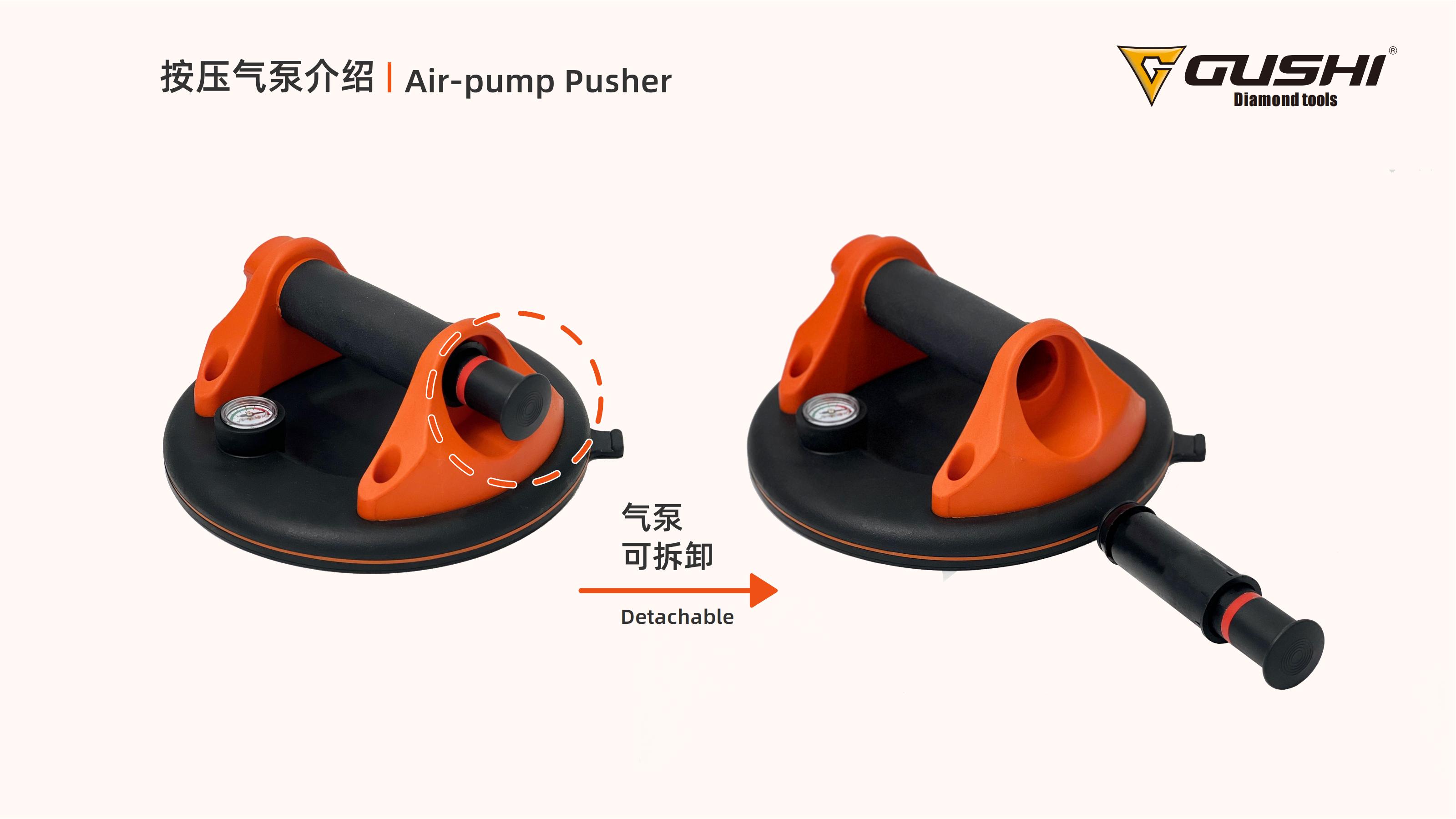

The GUSHI SC-A001 is the main product of our manual vacuum suction cup range: a hand-pump lifter that grips flat, clean, smooth, non-porous surfaces and carries loads from 60 kg to 150 kg depending on pad size. Three pad diameters — 120 mm, 160 mm and 200 mm — let one tool platform cover large-format tiles, windshields, polished stone slabs, sheet metal and glass panels. It is built by Huzhou Gu’s Imp. & Exp. Co., Ltd., a Zhejiang manufacturer founded in 2004 that operates under ISO 9001:2015 and CE, ships only after 100% QC inspection, and exports to more than 20 countries.
The SC-A001 was designed to be the tool that stays in the van rather than on the charger. A piston pump with a one-way check valve pulls the vacuum by hand in three to eight strokes, and because the valve only lets air escape, the seal survives pauses mid-pump. Once sealed, the cup holds for more than six hours, and if the red-line indicator shows a slow drop on a less-than-perfect surface, you simply re-pump without detaching — no lost grip, no repositioning, no dropped panel.
For distributors the value is in standardisation: one pad compound, one pump mechanism and one release assembly across the whole load range, so spare pads and service knowledge transfer between sizes. For crews, the benefit is that the same tool handles a 600 mm porcelain slab in the morning and a stone countertop slab in the afternoon, without batteries, compressors or setup time.
Full Specifications
| Parameter | Specification |
|---|---|
| Product name | Manual Vacuum Suction Cup — Main Product |
| Model | SC-A001 |
| Series role | Flagship / full-range model of the manual SC-A family |
| Type | Hand-pump vacuum cup — no battery or compressor required |
| Pad diameter options | Ø120 mm (4.7 in) / Ø160 mm (6.3 in) / Ø200 mm (8 in) |
| Safe vertical working load | 60 kg (Ø120) / 100 kg (Ø160) / 150 kg (Ø200) |
| Max horizontal (shear) load | Up to 200 kg with the Ø200 mm pad |
| Theoretical pull-off force — Ø160 mm | ≈1,800 N at 90 kPa differential (≈184 kgf) |
| Rated vs theoretical safety factor | ≈1.8:1 to 2:1 |
| Pad material | Non-marking natural rubber compound, Shore A 55–65 |
| Pad thickness | 7 mm |
| Seal design | Multi-lip sealing ring with vacuum retention groove |
| Body material | Die-cast aluminum alloy |
| Handle | Ergonomic, glove-friendly, one-hand release |
| Pump type | Piston pump with one-way check valve |
| Pump strokes to full seal | 3–6 (Ø120 mm) / 6–8 (Ø200 mm) |
| Vacuum indicator | Red-line indicator on Ø160 mm and Ø200 mm pads |
| Release mechanism | Release lever plus side valve, instant break |
| Holding time | >6 hours at 20 °C with re-pump capability |
| Operating temperature | -10 °C to +50 °C |
| Net weight | 0.9 kg (Ø120 mm) / 1.5 kg (Ø200 mm) |
| Product dimensions (Ø160 mm) | Ø160 × H125 mm |
| Carton packing | 10 pcs/inner box, 100 pcs/outer carton |
| Outer carton size | Approx. 60 × 40 × 30 cm (bulk pack) |
| Container loading (estimate) | ≈20,000–25,000 pcs per 20GP in bulk packing |
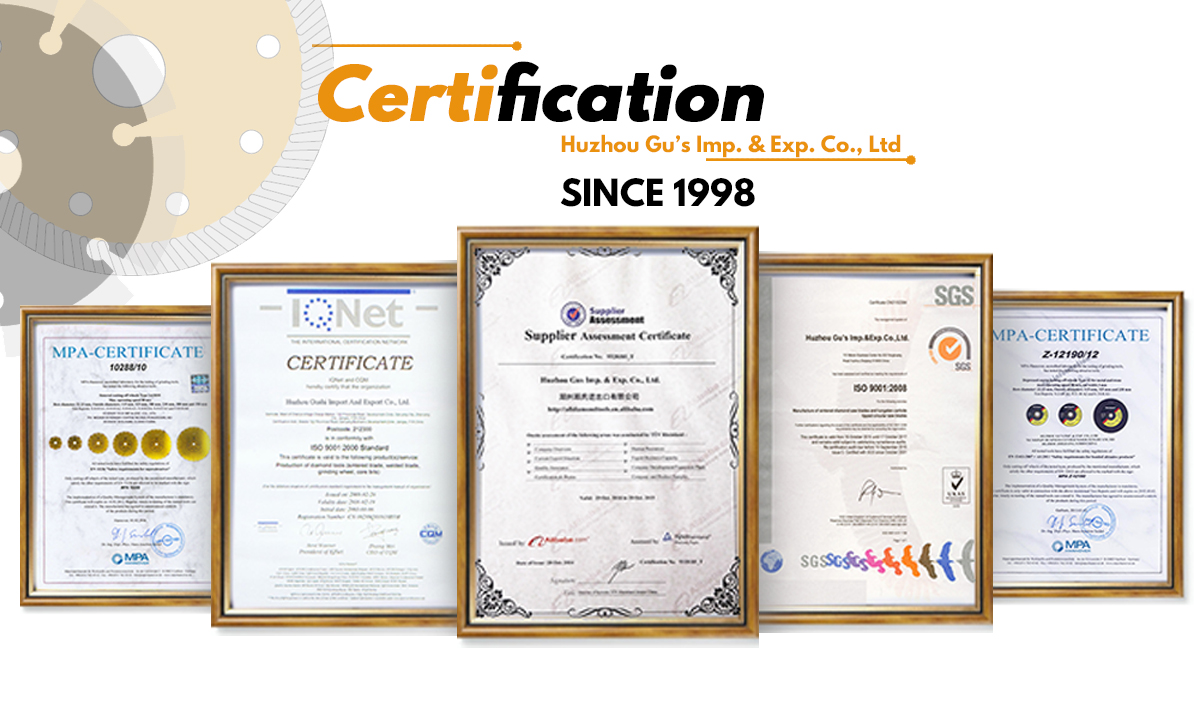
| Certifications | ISO 9001:2015, CE, RoHS-compliant materials, SGS inspected |
| MOQ | 500 pcs (mixed pad sizes in one order) |
| Lead time | 5–10 days stock; 15–30 days OEM |
| Payment terms | T/T, L/C, D/A, D/P, PayPal |
| After-sales | Responsible for the supplied product within its usage life |
How the SC-A001 Builds and Holds Vacuum
The piston pump and one-way check valve
Each stroke of the piston draws air out of the chamber between pad and panel and pushes it out through a one-way check valve. Because air can only leave, the vacuum builds progressively and survives pauses between strokes. Three to six strokes seal a 120 mm pad; a 200 mm pad needs six to eight. The same valve is what lets you top the vacuum back up during a long job without breaking the seal.
Load rating versus theoretical pull-off force
Holding force equals pad area multiplied by the pressure differential. A 160 mm pad presents about 201 cm², so at 90 kPa — a realistic working vacuum — it develops roughly 1,800 N, the equivalent of about 184 kg of pull-off force. The rated safe working load is 100 kg, which applies a safety factor of about 1.8 to 2:1 to absorb surface imperfections, footfall vibration and the dynamic loads created while walking with a panel.
Why surface condition decides the real capacity
The numbers above assume a flat, smooth and sealed surface. Every air path — a grain of dust, a scratch, a textured stone finish — lets air back in and reduces the achievable differential, which is why a flamed granite slab rated at 150 kg on paper will not hold. Cleaning both the pad and the panel, and choosing a pad small enough to sit entirely on a flat area, recovers most of the theoretical capacity.
The release, reposition and re-pump cycle
Pulling the release lever opens the chamber to atmosphere and the cup lifts off cleanly in under a second. For repositioning you do not have to fully detach: lift slightly, slide the cup to the new spot, and pump again. This cycle — attach, lift, place, release — is what makes the SC-A001 practical for setting a run of large-format tiles where each panel needs several micro-adjustments.
Key Features Explained
One platform covering three load classes
The SC-A001 scales from 60 kg to 150 kg by changing only the pad, so a distributor can stock a single spare-parts family and a crew can carry one tool type. Training transfers instantly between sizes because the pump, release and handle action are identical across the range.
7 mm multi-lip pad for real-world surfaces
The pad is thicker and more compliant than the flat pads used on budget cups, and its multi-lip sealing ring with a retention groove keeps the vacuum even when the surface is not perfectly flat. The compound is non-marking, so glass, mirrors and painted appliance panels come away without residue or scuffing.
Glove-friendly one-hand control
Handle geometry and release-lever position are sized for gloved hands and for working one-handed on ladders and scaffolding. You can carry the panel with one hand and break the seal with your thumb, which removes the second person usually needed to free a cup from a finished surface.
Built for daily professional use
A die-cast aluminum body resists the knocks of site work, the piston assembly is serviceable rather than sealed, and pads are replaceable rather than moulded on. With basic pad care — washing, dry storage, periodic inspection — the tool is intended for years of daily service rather than a single season.
Selection Guide: How Many Cups Do You Need?
Load capacity is only half the decision; panel size and rigidity decide how many cups you should use. Follow this table, then pick the pad size that matches the resulting per-cup load.
| Panel type & size | Cups recommended | Configuration | Carry method |
|---|---|---|---|
| Tile up to 600 × 600 mm | 1 | Ø120 mm, 60 kg | Flat, single operator |
| Tile 600 × 1200 mm and larger | 2 | Ø120–160 mm, one per end | Flat, two operators |
| Glass sheet up to 3 m² | 2 | Ø160 mm, 100 kg | Vertical, on edge |
| Glass sheet 3–6 m² or IGU | 2–3 | Ø160–200 mm, spaced along top edge | Vertical, two operators + spotter |
| Stone slab up to 2 m | 2 | Ø200 mm, 150 kg | Vertical or near-vertical |
| Windshield or curved auto glass | 1–2 | Ø160 mm on the flatter centre area | Vertical, test lift first |
| Appliance or machine housing | 1 | Ø160 mm, 100 kg | Flat or tilted |
| GUSHI model | Positioning | Best for |
|---|---|---|
| SC-A001 (this product) | Flagship manual, full pad range | Distributors and mixed-work crews needing 60–150 kg coverage |
| SC-A002 | Companion manual model, selected packs | Retail and promo packs with fixed pad/handle configuration |
| Electric vacuum suction cup | Battery-powered, one-button pump | Crews attaching and releasing hundreds of times per day |
| 8-inch digital suction cup (210 mm) | Digital vacuum readout, double-layer pad | Heavy glazing where monitored vacuum is required |
Applications & Suitable Materials
Applications
| Application | What the crew gains | Recommended pad |
|---|---|---|
| Glazing: windows, IGUs, curtain wall panels | Two-cup vertical carry keeps heavy units flat and controlled | Ø160–200 mm |
| Auto glass and windshield handling | Grips curved glass on the flatter centre without edge clamps | Ø160 mm |
| Shower enclosures, mirrors, glass doors | Mark-free grip for fitting finished panels into frames | Ø120–160 mm |
| Kitchen countertops and stone slabs | Carries polished granite, marble and engineered stone up to 2 m | Ø200 mm |
| Large-format porcelain and ceramic tile | Fast pick-and-place with micro-adjustment during setting | Ø120–160 mm |
| Appliance and white-goods assembly | Lifts washers, dryers and fridge shells out of tight spaces | Ø160 mm |
| Signage, display acrylic and POS panels | Non-marking hold on polished plastic faces | Ø120 mm |
| Aquariums and glass furniture | Manoeuvres assembled tanks and tabletops safely | Ø160 mm |
| Engine valves and machined parts | Clean pickup of smooth metal components in workshops | Ø120 mm |
Suitable Materials
| Suitable surfaces | Surfaces to avoid |
|---|---|
| Float, tempered and laminated glass | Flamed, bush-hammered or sandblasted stone |
| Glazed ceramic and porcelain tile | Unglazed terracotta and quarry tile |
| Polished granite, marble and engineered quartz | Raw concrete, brick and blockwork |
| Stainless steel and painted sheet metal | Rusty or heavily pitted metal |
| Acrylic, polycarbonate and ABS sheet | Raw timber, plywood and wood-grain laminate |
| Powder-coated appliance panels | Wet, oily or dusty surfaces of any kind |
Pump Cup vs. Push-On Cup vs. Mechanical Clamp
Three tools compete for the same job on site. Here is how the GUSHI SC-A001 compares with a simple push-on suction cup and a mechanical slab clamp.
| Dimension | Pump vacuum cup (SC-A001) | Push-on suction cup | Mechanical clamp |
|---|---|---|---|
| Working principle | ✓ Piston pump creates measurable vacuum | Pressing the cup squeezes out air | Jaw pressure grips the panel edge |
| Typical safe load | ✓ 60–150 kg | 5–15 kg | 50–200 kg but bulky |
| Attach time | 5–10 s (3–8 pump strokes) | ✓ ≈1 s | 10–30 s to set jaws |
| Grip feedback | ✓ Red-line indicator shows vacuum loss | None — fails without warning | Visual jaw contact only |
| Surface safety | ✓ Non-marking pad, no edge contact | Non-marking but weak | Risk of edge chipping on glass |
| Surface requirement | Flat, smooth, non-porous | Flat, smooth, non-porous | ✓ Also grips rough and porous materials |
| Panel size capability | ✓ Any size with 2–3 cups | Small items only | Heavy slabs, awkward shapes |
| Tool weight | ✓ 0.9–1.5 kg | 0.1–0.3 kg | 3–8 kg |
| Operators needed | ✓ 1–2 | 1 | 2 or more |
| Unit cost | Mid-range | ✓ Lowest | Highest |
| Best for | Glass, tile, polished stone, metal panels | Light quick pickups and small tiles | Rough stone, kerbs and heavy slabs |
Bottom line: For smooth panels, the pump vacuum cup is the only option that combines high capacity with visible grip feedback and edge-free handling. Push-on cups suit light pickups under 15 kg, and mechanical clamps remain the right choice for rough or porous materials where no vacuum can form.
How to Use: Step-by-Step Guide
- Select the pad size for the load: Ø120 mm ≤60 kg, Ø160 mm ≤100 kg, Ø200 mm ≤150 kg.
- Inspect the pad — no cuts, no embedded grit, no permanent flat spots — and confirm the release valve closes freely.
- Clean the panel surface and dry it; remove oil, dust, water and release agents from the contact area.
- Wipe the pad with a clean dry cloth, or wash with mild soapy water and dry fully if it has been stored dirty.
- Position the cup on a flat area near the panel’s centre of gravity, or at the quarter points when using two cups.
- Pump the piston until resistance is firm and the red-line indicator confirms full vacuum (Ø160/Ø200 mm).
- Perform a 5 cm test lift and hold for a few seconds; if the indicator moves, re-pump or reposition before continuing.
- Lift with a straight back, keeping the panel vertical where possible and the load close to your body.
- Walk the shortest clear route; use two operators and a spotter for panels over 25 kg or beyond 3 m².
- Check the indicator every 30 minutes on long jobs and top up the vacuum without detaching.
- To release, set the load down securely, pull the release lever or press the side valve, and lift the cup straight off.
- Clean and dry the pad, then store the cup in its case away from sunlight and solvents.
Building out a full handling kit? Compare this main product with the SC-A002 manual vacuum suction cup, the Electric Vacuum Suction Cup, and the G-Ultra Lifter.
Preguntas frecuentes
What is the difference between the SC-A001 main product and the SC-A002 model?
SC-A001 is the flagship main product and covers the full pad range: 120 mm, 160 mm and 200 mm with safe vertical working loads of 60 kg, 100 kg and 150 kg. SC-A002 is the companion manual model offered in selected pad and handle configurations for specific retail packs. Both share the same piston pump, non-marking rubber compound and release mechanism, so choose by load class and packaging format rather than by mechanism.
How do I maintain the rubber pad and when should it be replaced?
Wipe the pad with clean water and mild soap after each job, never with solvents or petrol, and store the cup in a dry, dust-free case away from direct sunlight. Inspect for cuts, flat spots and hardening before every shift. Replace the pad when it no longer holds vacuum for at least 30 minutes or when cracking appears; under daily professional use that is typically after 1 to 2 years.
Can the vacuum cup be used in cold or hot conditions?
The working range is -10 °C to +50 °C. Below 0 °C the rubber hardens and loses flexibility, so warm the pad in your hands or with warm water and dry it before attaching. Above 50 °C, or on panels left in direct summer sun, the compound softens and holding time shortens, so re-check the indicator more often and reduce the load.
Can it lift curved glass such as car windshields?
Yes, for moderate curvature as long as the pad can make full contact around its circumference. Windshields usually need a 160 mm pad placed on the flatter centre area. For strongly curved or deeply domed glass, use a smaller pad or two cups and always perform a 5 cm test lift before moving the panel.
Can the cup be used for overhead lifting or vertical panel transport?
The cup is designed for carrying and positioning panels, not for overhead suspension. Transport sheets in the vertical position, on edge, which is the standard glazing method and puts the load in the stronger shear direction. Panels over 25 kg need two operators, and no load should ever pass over people.
What is the difference between safe working load and theoretical pull-off force?
Theoretical pull-off force is the physical maximum: a 160 mm pad has about 201 cm² of area, so at 90 kPa of differential pressure it develops roughly 1,800 N, equal to about 184 kg. The rated safe working load of 100 kg applies a safety factor of roughly 1.8 to 2 to cover surface imperfections, vibration and dynamic loading during walking.
Will it work on textured, unglazed or flamed stone?
No. Air leaks through the texture faster than the pump can remove it, so the vacuum never builds. The cup needs a smooth, sealed surface: polished granite and marble are fine, while flamed, bush-hammered or sandblasted finishes require a mechanical clamp instead. Unglazed terracotta and concrete fall into the same not-suitable group.
What packaging and OEM options are available for the main product?
Standard packing is 10 pieces per inner box and 100 pieces per outer carton. OEM options include custom pad diameter, handle color, printed or laser-engraved logo, blister card, full-color box, EAN barcoding and private-label cartons. The MOQ is 500 pieces and mixed pad sizes can be combined in one order, with samples supplied at cost price before tooling.
OEM & Wholesale Information
| OEM / wholesale parameter | Details |
|---|---|
| MOQ | 500 pcs; mixed pad diameters allowed in one order |
| Customisation | Pad diameter, handle color, printed or laser-engraved logo, blister card, color box, EAN barcode, private-label carton |
| Standard packing | 10 pcs/inner box, 100 pcs/outer carton |
| Container load | ≈20,000–25,000 pcs per 20GP (bulk packing) |
| Sample policy | Samples at cost price plus freight; sample fee refunded on the official order |
| Payment terms | T/T, L/C, D/A, D/P, PayPal |
| Port of loading | Shanghai or Ningbo, China |
| Quality control | 100% inspection before shipment; ISO 9001:2015, CE, SGS |
| R&D support | In-house team for new pad compounds, handle tooling and packaging design |
| Service languages | English, Spanish, Japanese, Russian, French, German |
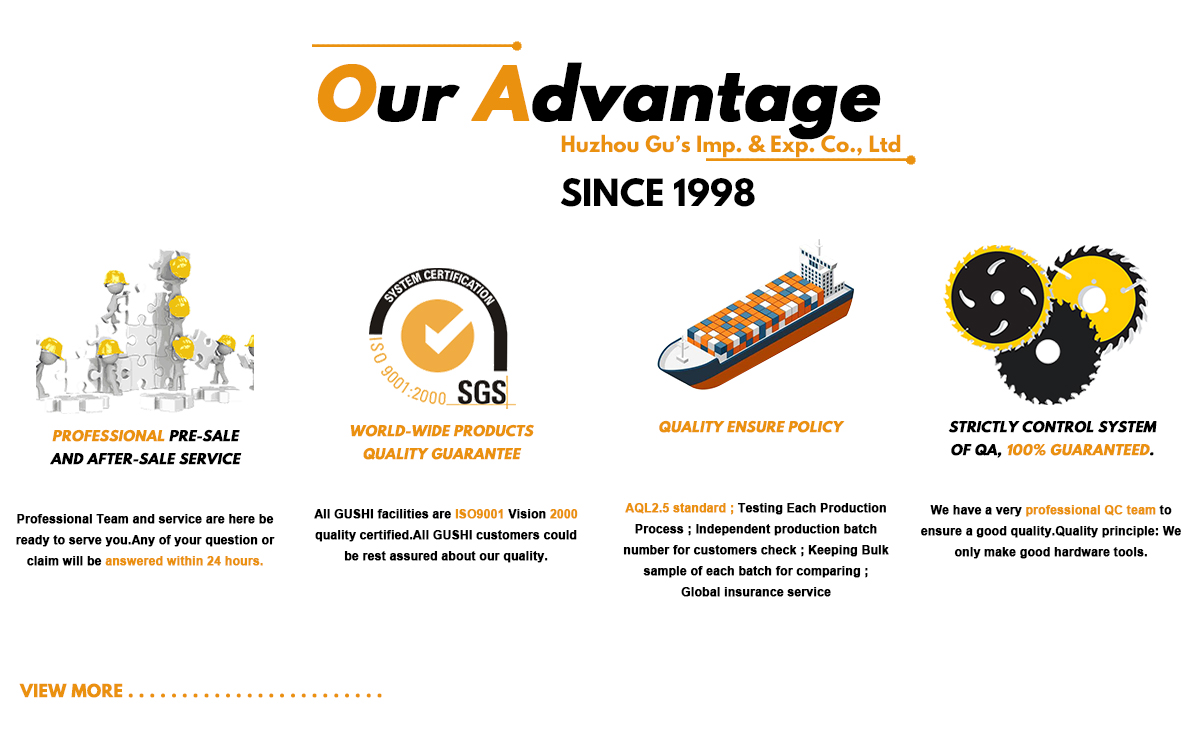
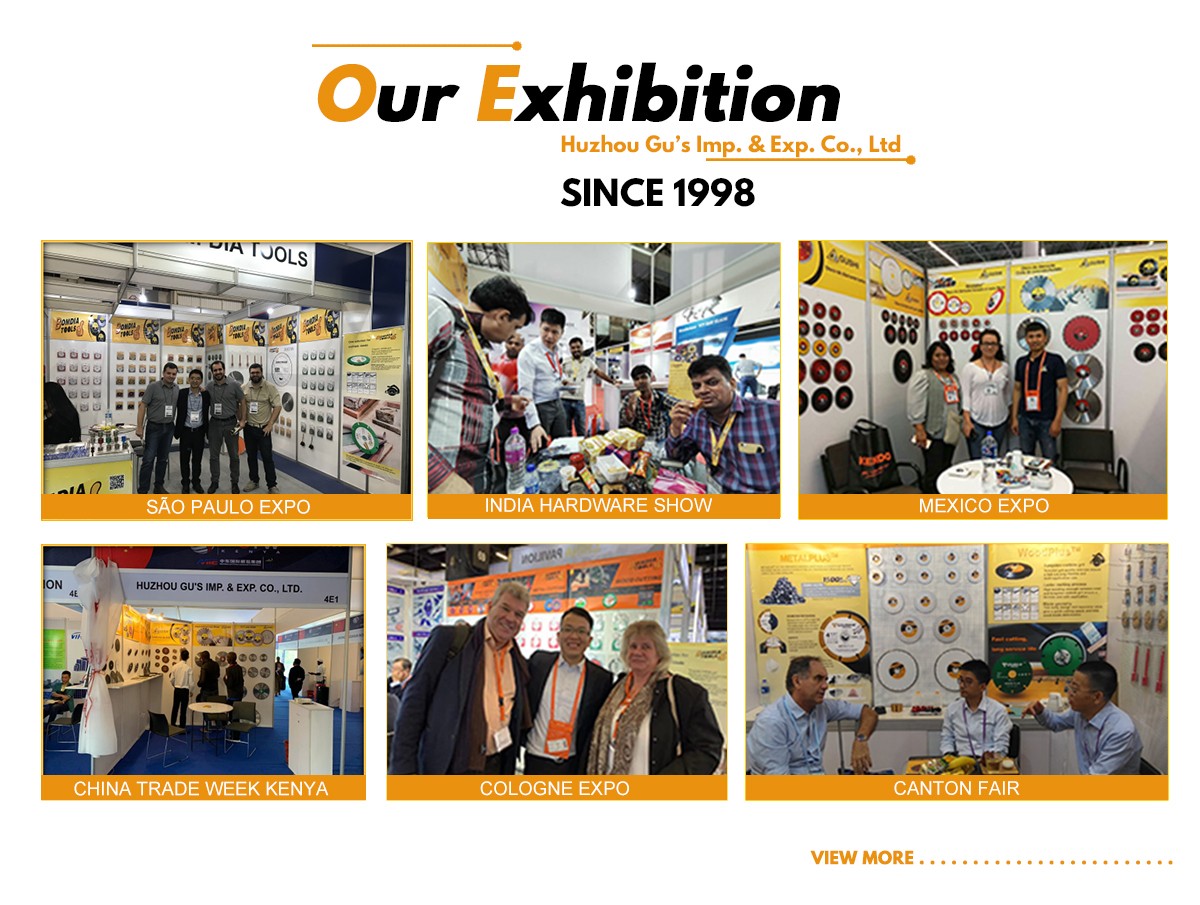
Huzhou Gu’s Imp. & Exp. Co., Ltd. (brands GUSHI Tools and Roycel) has manufactured and exported handling and installation tools from Zhejiang since 2004, drawing on a supply chain built in this industry since 1998. The company is one of the 23 Chinese exporters that won the US anti-dumping case on diamond blades, at a 6.2% rate, and serves customers in more than 20 countries including the USA, Germany, the UK, the Netherlands, Brazil, Chile and Australia — many of them for over a decade.
Continue through the range: Manual Vacuum Suction Cup SC-A002, Electric Vacuum Suction Cup with Battery, and 8-Inch Digital Suction Cup (210 mm).
The GUSHI SC-A001 is the main product of our manual vacuum suction cup range: a hand-pump lifter that grips flat, clean, smooth, non-porous surfaces and carries loads from 60 kg to 150 kg depending on pad size. Three pad diameters — 120 mm, 160 mm and 200 mm — let one tool platform cover large-format tiles, windshields, polished stone slabs, sheet metal and glass panels. It is built by Huzhou Gu’s Imp. & Exp. Co., Ltd., a Zhejiang manufacturer founded in 2004 that operates under ISO 9001:2015 and CE, ships only after 100% QC inspection, and exports to more than 20 countries.
The SC-A001 was designed to be the tool that stays in the van rather than on the charger. A piston pump with a one-way check valve pulls the vacuum by hand in three to eight strokes, and because the valve only lets air escape, the seal survives pauses mid-pump. Once sealed, the cup holds for more than six hours, and if the red-line indicator shows a slow drop on a less-than-perfect surface, you simply re-pump without detaching — no lost grip, no repositioning, no dropped panel.
For distributors the value is in standardisation: one pad compound, one pump mechanism and one release assembly across the whole load range, so spare pads and service knowledge transfer between sizes. For crews, the benefit is that the same tool handles a 600 mm porcelain slab in the morning and a stone countertop slab in the afternoon, without batteries, compressors or setup time.
Full Specifications
| Parameter | Specification |
|---|---|
| Product name | Manual Vacuum Suction Cup — Main Product |
| Model | SC-A001 |
| Series role | Flagship / full-range model of the manual SC-A family |
| Type | Hand-pump vacuum cup — no battery or compressor required |
| Pad diameter options | Ø120 mm (4.7 in) / Ø160 mm (6.3 in) / Ø200 mm (8 in) |
| Safe vertical working load | 60 kg (Ø120) / 100 kg (Ø160) / 150 kg (Ø200) |
| Max horizontal (shear) load | Up to 200 kg with the Ø200 mm pad |
| Theoretical pull-off force — Ø160 mm | ≈1,800 N at 90 kPa differential (≈184 kgf) |
| Rated vs theoretical safety factor | ≈1.8:1 to 2:1 |
| Pad material | Non-marking natural rubber compound, Shore A 55–65 |
| Pad thickness | 7 mm |
| Seal design | Multi-lip sealing ring with vacuum retention groove |
| Body material | Die-cast aluminum alloy |
| Handle | Ergonomic, glove-friendly, one-hand release |
| Pump type | Piston pump with one-way check valve |
| Pump strokes to full seal | 3–6 (Ø120 mm) / 6–8 (Ø200 mm) |
| Vacuum indicator | Red-line indicator on Ø160 mm and Ø200 mm pads |
| Release mechanism | Release lever plus side valve, instant break |
| Holding time | >6 hours at 20 °C with re-pump capability |
| Operating temperature | -10 °C to +50 °C |
| Net weight | 0.9 kg (Ø120 mm) / 1.5 kg (Ø200 mm) |
| Product dimensions (Ø160 mm) | Ø160 × H125 mm |
| Carton packing | 10 pcs/inner box, 100 pcs/outer carton |
| Outer carton size | Approx. 60 × 40 × 30 cm (bulk pack) |
| Container loading (estimate) | ≈20,000–25,000 pcs per 20GP in bulk packing |
| Certifications | ISO 9001:2015, CE, RoHS-compliant materials, SGS inspected |
| MOQ | 500 pcs (mixed pad sizes in one order) |
| Lead time | 5–10 days stock; 15–30 days OEM |
| Payment terms | T/T, L/C, D/A, D/P, PayPal |
| After-sales | Responsible for the supplied product within its usage life |
How the SC-A001 Builds and Holds Vacuum
The piston pump and one-way check valve
Each stroke of the piston draws air out of the chamber between pad and panel and pushes it out through a one-way check valve. Because air can only leave, the vacuum builds progressively and survives pauses between strokes. Three to six strokes seal a 120 mm pad; a 200 mm pad needs six to eight. The same valve is what lets you top the vacuum back up during a long job without breaking the seal.
Load rating versus theoretical pull-off force
Holding force equals pad area multiplied by the pressure differential. A 160 mm pad presents about 201 cm², so at 90 kPa — a realistic working vacuum — it develops roughly 1,800 N, the equivalent of about 184 kg of pull-off force. The rated safe working load is 100 kg, which applies a safety factor of about 1.8 to 2:1 to absorb surface imperfections, footfall vibration and the dynamic loads created while walking with a panel.
Why surface condition decides the real capacity
The numbers above assume a flat, smooth and sealed surface. Every air path — a grain of dust, a scratch, a textured stone finish — lets air back in and reduces the achievable differential, which is why a flamed granite slab rated at 150 kg on paper will not hold. Cleaning both the pad and the panel, and choosing a pad small enough to sit entirely on a flat area, recovers most of the theoretical capacity.
The release, reposition and re-pump cycle
Pulling the release lever opens the chamber to atmosphere and the cup lifts off cleanly in under a second. For repositioning you do not have to fully detach: lift slightly, slide the cup to the new spot, and pump again. This cycle — attach, lift, place, release — is what makes the SC-A001 practical for setting a run of large-format tiles where each panel needs several micro-adjustments.
Key Features Explained
One platform covering three load classes
The SC-A001 scales from 60 kg to 150 kg by changing only the pad, so a distributor can stock a single spare-parts family and a crew can carry one tool type. Training transfers instantly between sizes because the pump, release and handle action are identical across the range.
7 mm multi-lip pad for real-world surfaces
The pad is thicker and more compliant than the flat pads used on budget cups, and its multi-lip sealing ring with a retention groove keeps the vacuum even when the surface is not perfectly flat. The compound is non-marking, so glass, mirrors and painted appliance panels come away without residue or scuffing.
Glove-friendly one-hand control
Handle geometry and release-lever position are sized for gloved hands and for working one-handed on ladders and scaffolding. You can carry the panel with one hand and break the seal with your thumb, which removes the second person usually needed to free a cup from a finished surface.
Built for daily professional use
A die-cast aluminum body resists the knocks of site work, the piston assembly is serviceable rather than sealed, and pads are replaceable rather than moulded on. With basic pad care — washing, dry storage, periodic inspection — the tool is intended for years of daily service rather than a single season.
Selection Guide: How Many Cups Do You Need?
Load capacity is only half the decision; panel size and rigidity decide how many cups you should use. Follow this table, then pick the pad size that matches the resulting per-cup load.
| Panel type & size | Cups recommended | Configuration | Carry method |
|---|---|---|---|
| Tile up to 600 × 600 mm | 1 | Ø120 mm, 60 kg | Flat, single operator |
| Tile 600 × 1200 mm and larger | 2 | Ø120–160 mm, one per end | Flat, two operators |
| Glass sheet up to 3 m² | 2 | Ø160 mm, 100 kg | Vertical, on edge |
| Glass sheet 3–6 m² or IGU | 2–3 | Ø160–200 mm, spaced along top edge | Vertical, two operators + spotter |
| Stone slab up to 2 m | 2 | Ø200 mm, 150 kg | Vertical or near-vertical |
| Windshield or curved auto glass | 1–2 | Ø160 mm on the flatter centre area | Vertical, test lift first |
| Appliance or machine housing | 1 | Ø160 mm, 100 kg | Flat or tilted |
| GUSHI model | Positioning | Best for |
|---|---|---|
| SC-A001 (this product) | Flagship manual, full pad range | Distributors and mixed-work crews needing 60–150 kg coverage |
| SC-A002 | Companion manual model, selected packs | Retail and promo packs with fixed pad/handle configuration |
| Electric vacuum suction cup | Battery-powered, one-button pump | Crews attaching and releasing hundreds of times per day |
| 8-inch digital suction cup (210 mm) | Digital vacuum readout, double-layer pad | Heavy glazing where monitored vacuum is required |
Applications & Suitable Materials
Applications
| Application | What the crew gains | Recommended pad |
|---|---|---|
| Glazing: windows, IGUs, curtain wall panels | Two-cup vertical carry keeps heavy units flat and controlled | Ø160–200 mm |
| Auto glass and windshield handling | Grips curved glass on the flatter centre without edge clamps | Ø160 mm |
| Shower enclosures, mirrors, glass doors | Mark-free grip for fitting finished panels into frames | Ø120–160 mm |
| Kitchen countertops and stone slabs | Carries polished granite, marble and engineered stone up to 2 m | Ø200 mm |
| Large-format porcelain and ceramic tile | Fast pick-and-place with micro-adjustment during setting | Ø120–160 mm |
| Appliance and white-goods assembly | Lifts washers, dryers and fridge shells out of tight spaces | Ø160 mm |
| Signage, display acrylic and POS panels | Non-marking hold on polished plastic faces | Ø120 mm |
| Aquariums and glass furniture | Manoeuvres assembled tanks and tabletops safely | Ø160 mm |
| Engine valves and machined parts | Clean pickup of smooth metal components in workshops | Ø120 mm |
Suitable Materials
| Suitable surfaces | Surfaces to avoid |
|---|---|
| Float, tempered and laminated glass | Flamed, bush-hammered or sandblasted stone |
| Glazed ceramic and porcelain tile | Unglazed terracotta and quarry tile |
| Polished granite, marble and engineered quartz | Raw concrete, brick and blockwork |
| Stainless steel and painted sheet metal | Rusty or heavily pitted metal |
| Acrylic, polycarbonate and ABS sheet | Raw timber, plywood and wood-grain laminate |
| Powder-coated appliance panels | Wet, oily or dusty surfaces of any kind |
Pump Cup vs. Push-On Cup vs. Mechanical Clamp
Three tools compete for the same job on site. Here is how the GUSHI SC-A001 compares with a simple push-on suction cup and a mechanical slab clamp.
| Dimension | Pump vacuum cup (SC-A001) | Push-on suction cup | Mechanical clamp |
|---|---|---|---|
| Working principle | ✓ Piston pump creates measurable vacuum | Pressing the cup squeezes out air | Jaw pressure grips the panel edge |
| Typical safe load | ✓ 60–150 kg | 5–15 kg | 50–200 kg but bulky |
| Attach time | 5–10 s (3–8 pump strokes) | ✓ ≈1 s | 10–30 s to set jaws |
| Grip feedback | ✓ Red-line indicator shows vacuum loss | None — fails without warning | Visual jaw contact only |
| Surface safety | ✓ Non-marking pad, no edge contact | Non-marking but weak | Risk of edge chipping on glass |
| Surface requirement | Flat, smooth, non-porous | Flat, smooth, non-porous | ✓ Also grips rough and porous materials |
| Panel size capability | ✓ Any size with 2–3 cups | Small items only | Heavy slabs, awkward shapes |
| Tool weight | ✓ 0.9–1.5 kg | 0.1–0.3 kg | 3–8 kg |
| Operators needed | ✓ 1–2 | 1 | 2 or more |
| Unit cost | Mid-range | ✓ Lowest | Highest |
| Best for | Glass, tile, polished stone, metal panels | Light quick pickups and small tiles | Rough stone, kerbs and heavy slabs |
Bottom line: For smooth panels, the pump vacuum cup is the only option that combines high capacity with visible grip feedback and edge-free handling. Push-on cups suit light pickups under 15 kg, and mechanical clamps remain the right choice for rough or porous materials where no vacuum can form.
How to Use: Step-by-Step Guide
- Select the pad size for the load: Ø120 mm ≤60 kg, Ø160 mm ≤100 kg, Ø200 mm ≤150 kg.
- Inspect the pad — no cuts, no embedded grit, no permanent flat spots — and confirm the release valve closes freely.
- Clean the panel surface and dry it; remove oil, dust, water and release agents from the contact area.
- Wipe the pad with a clean dry cloth, or wash with mild soapy water and dry fully if it has been stored dirty.
- Position the cup on a flat area near the panel’s centre of gravity, or at the quarter points when using two cups.
- Pump the piston until resistance is firm and the red-line indicator confirms full vacuum (Ø160/Ø200 mm).
- Perform a 5 cm test lift and hold for a few seconds; if the indicator moves, re-pump or reposition before continuing.
- Lift with a straight back, keeping the panel vertical where possible and the load close to your body.
- Walk the shortest clear route; use two operators and a spotter for panels over 25 kg or beyond 3 m².
- Check the indicator every 30 minutes on long jobs and top up the vacuum without detaching.
- To release, set the load down securely, pull the release lever or press the side valve, and lift the cup straight off.
- Clean and dry the pad, then store the cup in its case away from sunlight and solvents.
Building out a full handling kit? Compare this main product with the SC-A002 manual vacuum suction cup, the Electric Vacuum Suction Cup, and the G-Ultra Lifter.
Preguntas frecuentes
What is the difference between the SC-A001 main product and the SC-A002 model?
SC-A001 is the flagship main product and covers the full pad range: 120 mm, 160 mm and 200 mm with safe vertical working loads of 60 kg, 100 kg and 150 kg. SC-A002 is the companion manual model offered in selected pad and handle configurations for specific retail packs. Both share the same piston pump, non-marking rubber compound and release mechanism, so choose by load class and packaging format rather than by mechanism.
How do I maintain the rubber pad and when should it be replaced?
Wipe the pad with clean water and mild soap after each job, never with solvents or petrol, and store the cup in a dry, dust-free case away from direct sunlight. Inspect for cuts, flat spots and hardening before every shift. Replace the pad when it no longer holds vacuum for at least 30 minutes or when cracking appears; under daily professional use that is typically after 1 to 2 years.
Can the vacuum cup be used in cold or hot conditions?
The working range is -10 °C to +50 °C. Below 0 °C the rubber hardens and loses flexibility, so warm the pad in your hands or with warm water and dry it before attaching. Above 50 °C, or on panels left in direct summer sun, the compound softens and holding time shortens, so re-check the indicator more often and reduce the load.
Can it lift curved glass such as car windshields?
Yes, for moderate curvature as long as the pad can make full contact around its circumference. Windshields usually need a 160 mm pad placed on the flatter centre area. For strongly curved or deeply domed glass, use a smaller pad or two cups and always perform a 5 cm test lift before moving the panel.
Can the cup be used for overhead lifting or vertical panel transport?
The cup is designed for carrying and positioning panels, not for overhead suspension. Transport sheets in the vertical position, on edge, which is the standard glazing method and puts the load in the stronger shear direction. Panels over 25 kg need two operators, and no load should ever pass over people.
What is the difference between safe working load and theoretical pull-off force?
Theoretical pull-off force is the physical maximum: a 160 mm pad has about 201 cm² of area, so at 90 kPa of differential pressure it develops roughly 1,800 N, equal to about 184 kg. The rated safe working load of 100 kg applies a safety factor of roughly 1.8 to 2 to cover surface imperfections, vibration and dynamic loading during walking.
Will it work on textured, unglazed or flamed stone?
No. Air leaks through the texture faster than the pump can remove it, so the vacuum never builds. The cup needs a smooth, sealed surface: polished granite and marble are fine, while flamed, bush-hammered or sandblasted finishes require a mechanical clamp instead. Unglazed terracotta and concrete fall into the same not-suitable group.
What packaging and OEM options are available for the main product?
Standard packing is 10 pieces per inner box and 100 pieces per outer carton. OEM options include custom pad diameter, handle color, printed or laser-engraved logo, blister card, full-color box, EAN barcoding and private-label cartons. The MOQ is 500 pieces and mixed pad sizes can be combined in one order, with samples supplied at cost price before tooling.
OEM & Wholesale Information
| OEM / wholesale parameter | Details |
|---|---|
| MOQ | 500 pcs; mixed pad diameters allowed in one order |
| Customisation | Pad diameter, handle color, printed or laser-engraved logo, blister card, color box, EAN barcode, private-label carton |
| Standard packing | 10 pcs/inner box, 100 pcs/outer carton |
| Container load | ≈20,000–25,000 pcs per 20GP (bulk packing) |
| Sample policy | Samples at cost price plus freight; sample fee refunded on the official order |
| Payment terms | T/T, L/C, D/A, D/P, PayPal |
| Port of loading | Shanghai or Ningbo, China |
| Quality control | 100% inspection before shipment; ISO 9001:2015, CE, SGS |
| R&D support | In-house team for new pad compounds, handle tooling and packaging design |
| Service languages | English, Spanish, Japanese, Russian, French, German |
Huzhou Gu’s Imp. & Exp. Co., Ltd. (brands GUSHI Tools and Roycel) has manufactured and exported handling and installation tools from Zhejiang since 2004, drawing on a supply chain built in this industry since 1998. The company is one of the 23 Chinese exporters that won the US anti-dumping case on diamond blades, at a 6.2% rate, and serves customers in more than 20 countries including the USA, Germany, the UK, the Netherlands, Brazil, Chile and Australia — many of them for over a decade.
Continue through the range: Manual Vacuum Suction Cup SC-A002, Electric Vacuum Suction Cup with Battery, and 8-Inch Digital Suction Cup (210 mm).
Company Profile